
Easing Menopause Naturally: How Small Shifts in Home and Habit Can Make a Big Difference

Menopause is one of life’s most natural transitions, yet for many women it can feel anything but. Hot flushes, poor sleep, anxiety, mood swings and weight changes are all common. While HRT can help, two experts are showing that real relief often comes from rethinking how we live day to day.
Sharlene Young, founder of Symbiotic Living, explores how our homes can ease symptoms and create calm. Karen Muldoon, a menopause and nutrition specialist, focuses on restoring balance through food, movement and lifestyle. Both believe that what we put into our bodies and what we surround ourselves with are deeply connected.
For Sharlene, design is about longevity as much as beauty. “We talk about homes that age gracefully, spaces with good light, adaptable layouts, sensory comfort and sustainability,” she says. “The goal is to build comfort that lasts, not just aesthetics.” Her philosophy aligns with Karen’s focus on nourishment and lifestyle, together showing that wellbeing depends on the balance between how we live, what we nourish ourselves with, and the spaces we create around us.
Their work forms part of a wider movement reshaping how women’s health is understood, one that recognises the need for more holistic and inclusive care. In a recent episode of The Diary of a CEO, Steven Bartlett spoke with experts including Dr Stacy Sims and Dr Vonda Wright about why women’s health has been misunderstood. Less than 2% of medical research focuses on female specific conditions, meaning generations of women have been treated using male data. As Bartlett noted, “When women do not get the right care, we all lose.”
For Sharlene and Karen, that gap is why many women are taking matters into their own hands, learning, adapting and building better support for themselves. Increasingly, younger women are getting involved too, future proofing their health and their homes long before menopause begins.
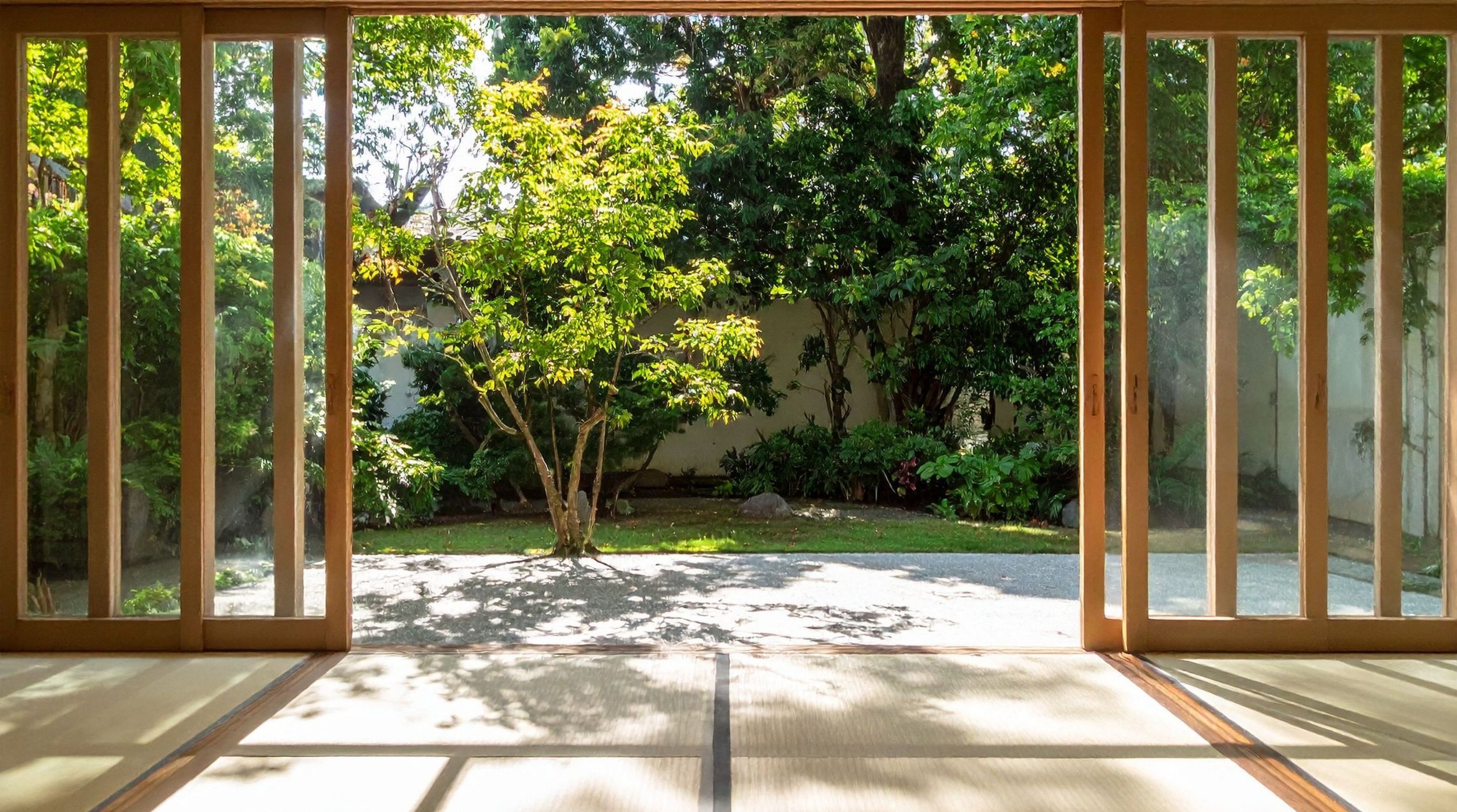
Views of nature lower blood pressure and ease stress
The Space Around Us Matters More Than We Think
Research shows that surroundings play a major role in hormonal wellbeing. A 2019 European study found that women living in greener areas reached menopause around 1.4 years later than those in less green environments. Green space is linked to lower cortisol, better sleep and calmer moods.
“Menopause support is not only medical,” says Sharlene. “Our homes can either soothe us or stress us. They can help regulate our nervous systems and our hormones.” Karen agrees, noting that time in nature and gentle movement are equally powerful. “A short walk outside, ideally in green space, lowers cortisol and improves blood sugar control. It helps digestion, clears the mind and tells your body to breathe again.”
For Sharlene, this connection between nature and balance is central to her work. Her approach, rooted in biophilic design, integrates natural elements into daily life to restore calm and wellbeing. She begins with how we orient our rooms. Position furniture to capture views of trees, sky or nearby green spaces. Where views are limited, layer natural textures, light and greenery indoors to recreate that connection.
“It is something I think about personally,” Sharlene says. “I purposely orient my desk so that I have a view of the sky. Even out of the corner of my eye, I can see the sky and know what time of day it is. Having a light for SAD at my desk has been essential as we go into the darker months.”
She also considers air quality and scent as part of wellbeing. “Cedar wood furniture has a calming quality, and natural fabrics like wood and linen help the air feel cleaner and softer,” she explains. “I often use herbs such as rosemary or peppermint, which can be swapped easily depending on mood or season. Rosemary lifts focus, peppermint clears the mind, while lavender or cedarwood bring calm.”
With hybrid working now common, Sharlene stresses the need to separate work and rest. “Women are managing careers, family and self-care within the same space,” she says. “Defining zones with light, scent or texture helps the mind switch off and makes the home work harder for wellbeing.”
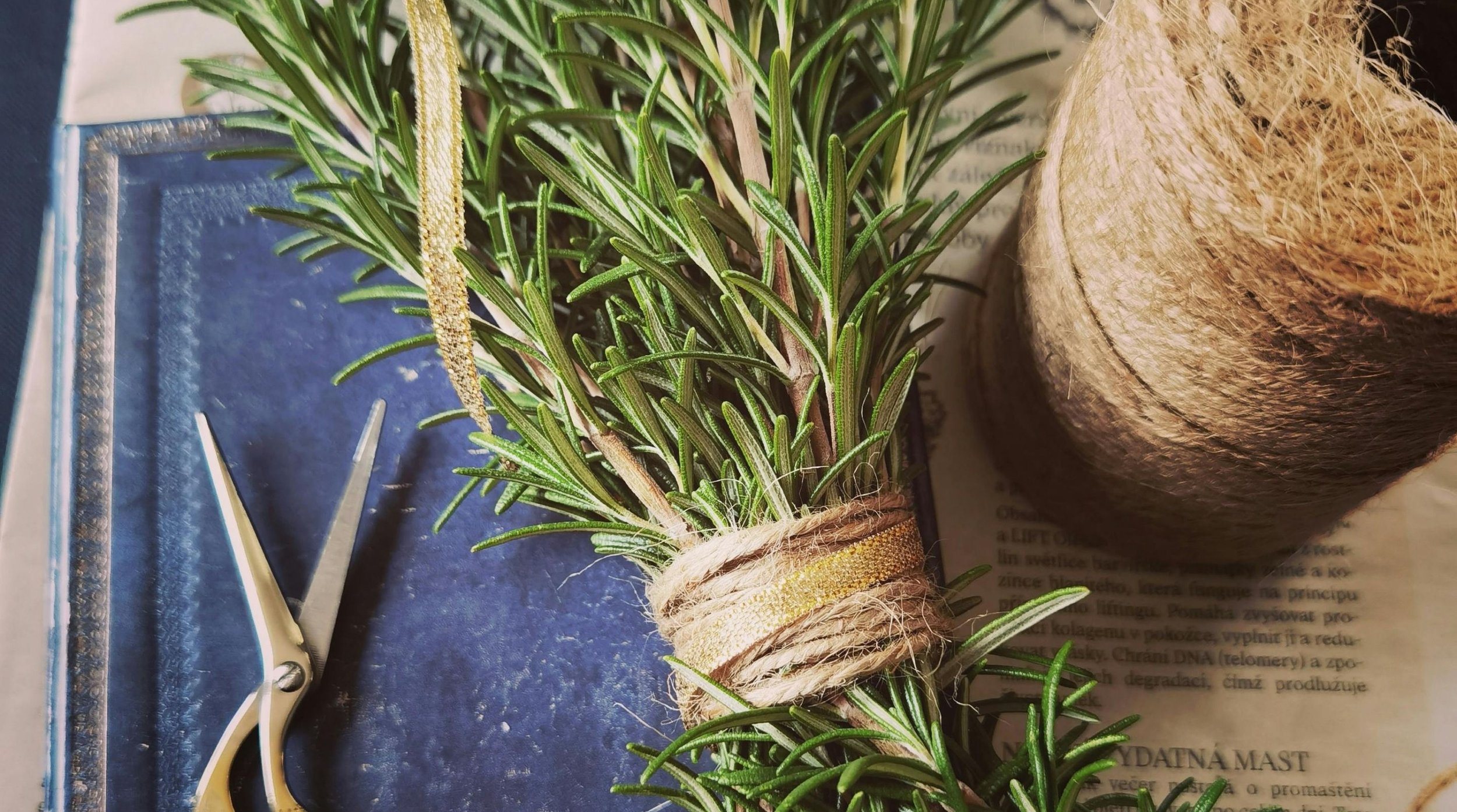
“I often use herbs such as rosemary or peppermint, which can be swapped easily depending on mood or season.”
Staying Cool, Literally and Figuratively
Hot flushes and night sweats are hallmark symptoms, and while hormones drive them, both the environment and our habits can help. Natural materials such as cotton, linen and wool are breathable and regulate temperature. A cooler bedroom, cross ventilation and layered bedding, or a quiet ceiling fan, can all bring relief.
“Think of comfort as control,” says Sharlene. “You might not be able to stop a hot flush, but you can stop it from ruining your night’s sleep.” Karen adds, “When you are properly hydrated and eating foods rich in magnesium, such as greens, nuts, and seeds, you will have a more restful night’s sleep.”

layered bedding using natural materials can bring relief to hot flushes and sleepless nights
Rethinking the Way We Eat
For many women, the biggest surprise of midlife is that the old approach to diet and exercise stops working. “I see so many women eating less, training harder and feeling worse,” says Karen. “As hormones change, the body reads lack of fuel as stress and holds on to fat. You cannot outsmart biology.”
Her focus is on nourishment, not restriction. As oestrogen declines, women need more protein, healthy fats and fibre to protect muscle, bone and energy. Protein balances blood sugar, fats like olive oil and avocado support hormones, and fibre from greens, seeds and beans aids digestion.
Karen recommends key supplements where diet may fall short: vitamin D for mood and bone health, magnesium for relaxation and sleep, omega 3s for inflammation and brain function, creatine for strength, collagen for joints and skin, and adaptogens such as ashwagandha or rhodiola for stress. “But food always comes first,” she adds.
While fasting is fashionable, Karen advises caution. Most fasting studies are based on men, and in women it can raise cortisol and worsen symptoms. A balanced, protein rich breakfast can make a world of difference.
Sharlene adds that how and where we eat matters. A calm space with soft light, natural textures and a subtle scent of herbs or citrus helps the body relax into digestion and signals safety.

As oestrogen declines, healthy fats like olive oil and avocado support hormones, and fibre from greens, seeds and beans aids digestion.
Light, Sleep and Daily Rhythm
Many women find their sleep changes dramatically during menopause. Hormones are partly to blame, but light exposure plays a major role. Circadian lighting that mirrors daylight helps regulate melatonin, the hormone responsible for rest.
“Morning light is nature’s coffee,” says Sharlene. “Expose yourself to it as soon as you can, even through a window, and then soften the lighting at night to cue your body to wind down.” Karen notes that good sleep does more than restore energy. “When we sleep well, our hormones have the chance to rebalance,” she says. “Everything from appetite to mood improves, and light plays a big role in that rhythm.”

“Morning light is nature’s coffee,”
Creating Calm and Connection
Alongside nutrition and light, emotional safety plays a key role in wellbeing. Sharlene often applies the design principle known as prospect and refuge, which creates spaces that feel both open and protected. We feel most comfortable when we can see what is ahead while having a sense of shelter or support behind us. In practice, this might mean positioning a reading chair with a high back near a wall, facing a window or open space, somewhere that feels both anchored and free.
“Every woman needs a sanctuary at home,” she says. “A spot to read, rest or just breathe, somewhere that feels completely her own.”
Connection is just as vital. The Menopause Café movement and similar initiatives show that shared experience eases isolation and stigma. Designing spaces that encourage conversation, such as a welcoming kitchen, a cosy seating area or a garden bench, helps those connections happen naturally.

“Every woman needs a sanctuary at home,”
Future Proofing for the Next Chapter
A new mindset is emerging. More women in their thirties and forties are thinking about how to future proof their health and their homes.
“They have seen their mothers struggle and want a different story,” says Karen. “They are strength training, eating for hormone health and managing stress early. It is preventative self-care.”
Sharlene sees the same awareness shaping how women think about their spaces. “Designing a home that supports wellbeing is not about following a rigid framework,” she says. “It is about creating a place that adapts with you, where you can feel grounded, comfortable and ready for whatever stage of life comes next.”
Real wellbeing is not about one fix. It is about everything working together — body, mind and environment in balance.
In Summary
Menopause does not have to mean struggle. The way we eat, move and design our homes all play equal parts in creating balance. A cooler bedroom, a nourishing breakfast, a walk in nature or morning light at your desk, none of these alone is revolutionary, but together they tell your body you are supported, safe and able to rest and renew.
Menopause is not the end of vitality. It is an invitation to live more intentionally than ever before.
Take the Next Step
To feel more confident and supported through menopause, reach out to Karen Muldoon for details on her upcoming masterclasses and one to one guidance on balancing hormones and building lasting wellbeing habits.
To discover how your home can better support your comfort and calm, contact Sharlene Young at Symbiotic Living. Her tailored approach to design can help you create a space that truly nurtures your wellbeing through every stage of life.