
Creating spaces for a healthy brain
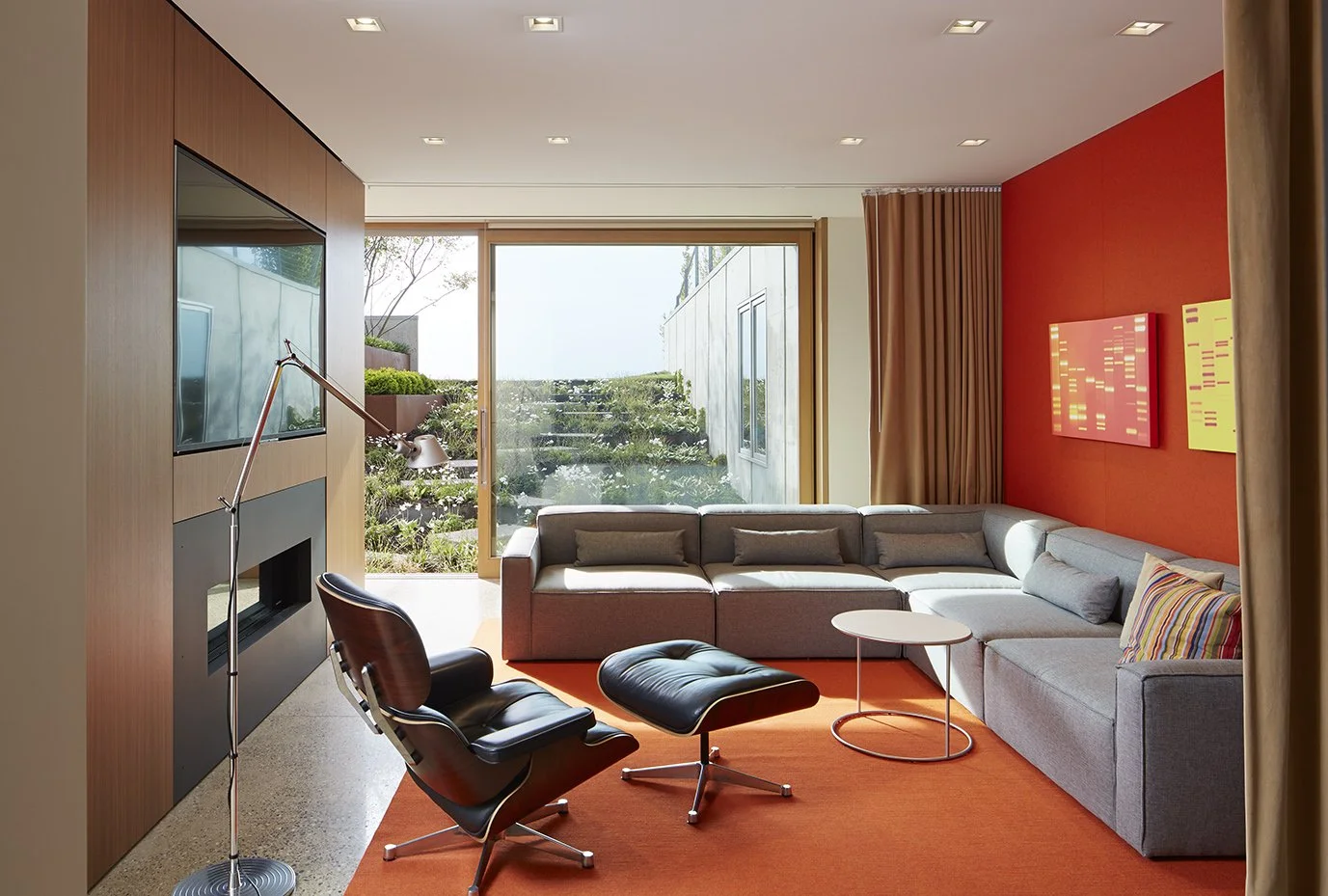
St Joseph Residence - ROLE: Interior Designer COMPLETED: In 2017 while at Wheeler Kearns Architects
In 2003 Dr. Gary Evans published his seminal research in the Journal of Environmental Pyschology proving how the built environment has a fundamental impact on brain function and physical well-being. Since then, the framework he established which examines how housing quality and density, the ‘restoration’ factor from natural elements and the provision of social connection has been the basis for many significant studies by organisations including the World Health Organization, the European Environment Agency, the UK government and many academic institutions.
The empirical evidence is that our surroundings affect our neurological, psychological and physical health and wellbeing. And it isn’t just one feature which determines how we feel in the space. The overall sensory experience is what makes a difference and includes everything from how the space is organised, our sight lines both inside and out to the external world, the acoustics, lighting and even scent.
We may not be aware of how each of these elements makes us feel or be able to identify why a space is calming and restorative or makes us feel energised or drained. At a subconscious level these make a significant difference. Our brains are evolutionarily preconditioned to seek out places that are beneficial to health and wellbeing, and that instinct draws us towards the natural world.
Increasingly neuroscientists have been testing the influence of design and our environments on our brains and bodies. It has been shown, for example, that aesthetically pleasing environments lower cortisol. The evidence shows that just one of the improvements we can measure is a 59.6% stress reduction after spending 15 minutes in a biophilic room. Other findings show that mental function and memory recall increases by 10 – 15% when there is access to a view outside and that specifically with a view to greenery, problem solving is 6-7% faster.
The six pillars of brain health have been identified as: Physical activity, mental exercise, a healthy diet and nutrition, social interaction, ample sleep and relaxation, and control of vascular risk factors. With the brain being effectively the control centre of the whole body, its health is fundamentally important in regulating the way our thinking, movement and emotions function.
In June Architect Datafile hosted a conference on Design for Dementia. It's a timely reminder that while design can't prevent dementia, the spaces we live in can encourage healthier behaviours and support the lifestyle factors linked to reduced risk. As the connection between the built environment and cognitive health becomes better understood, the responsibility that falls to architects and interior designers has never been greater.
The stress reducing effects of biophilic design are well documented, and chronic stress is a known vascular risk factor linked to cognitive decline. Supporting optimal brain health over a lifetime is one of the outcomes biophilic design does well.
One important way is by maximising natural light which helps regulate a healthy circadian rhythm, boosts a happy mood and can improve cognitive abilities.
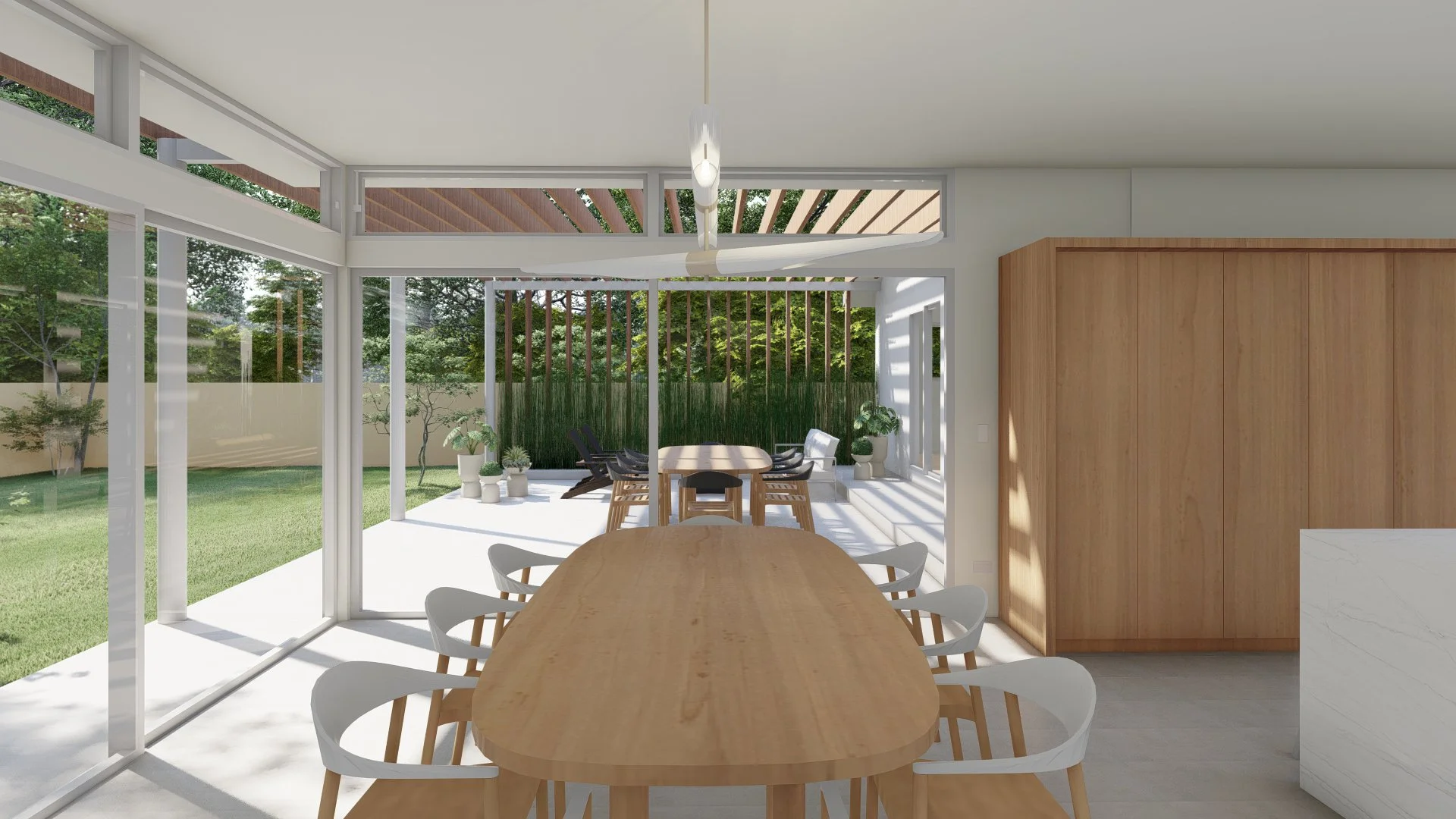
Silicon Valley - ROLE: Interior Architect, Interior Designer
Healthy sleep is fundamentally important for our cognitive health. That means planning for the right lighting, a calming palette, use of natural materials, removal of visual clutter and ensuring thermal and acoustic comfort. Designing a bedroom which will provide the best environment to fully relax is key. This involves a holistic consideration of sensory experiences to craft environments that promote calm and facilitate the body's natural restorative processes. The Oceanfront Residence at Virginia Beach exemplifies Symbiotic Living’s biophilic approach to bedroom design, specifically tailored to promote restorative sleep and a profound sense of disconnection from the outside world through a focus on design for the senses.
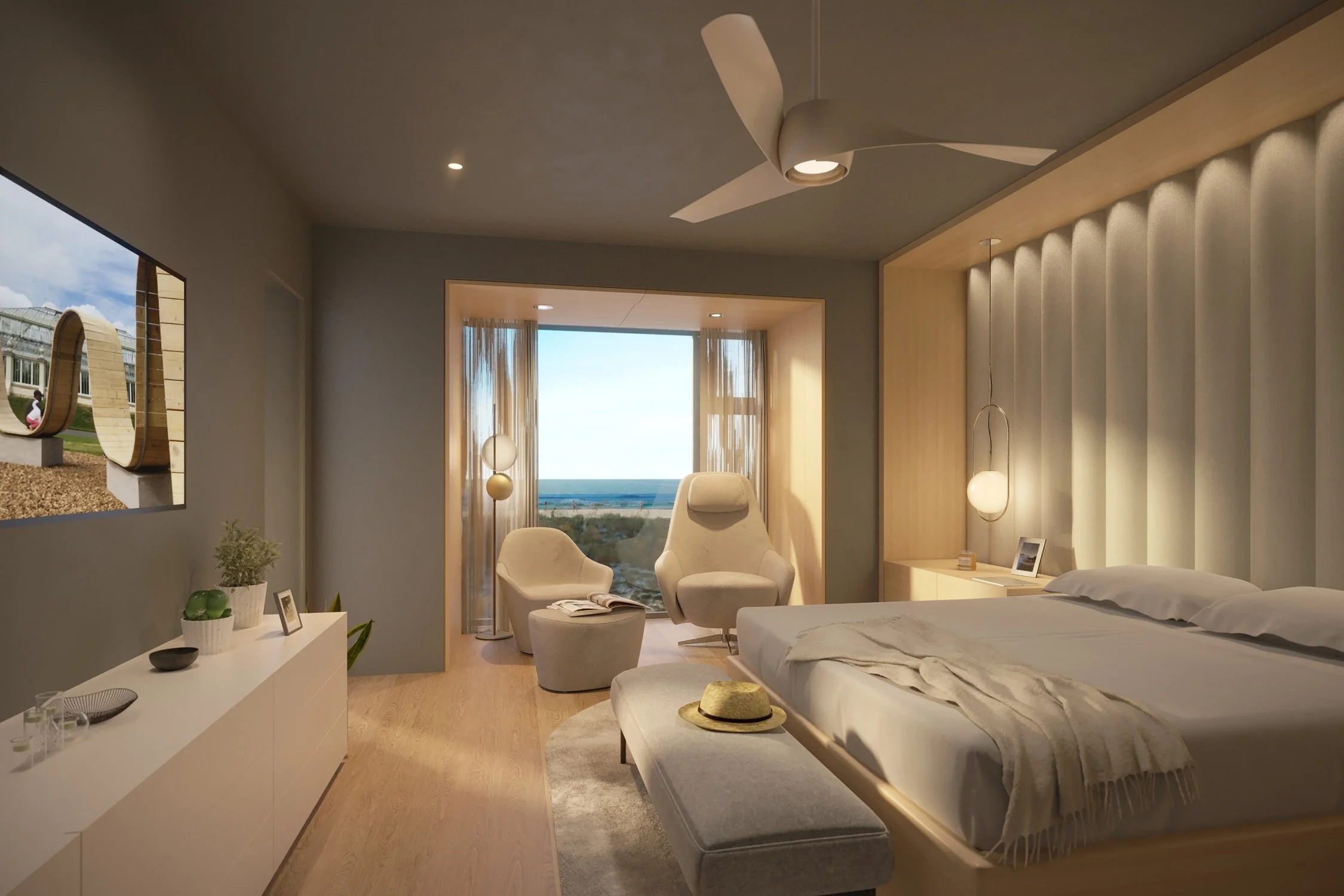
Oceanfront Residence - ROLE: Interior Designer COLLABORATION: working directly with homeowners alongside HEDS Architects
The house which is intended to be a sanctuary for the occupants as they age in place. To take full advantage of the wonderful views of the ocean while at the same time ensuring privacy and a feeling of refuge for the bedrooms, the house is inverted with the living, dining and kitchen areas at the top. A silent environment was achieved through integrated sound-absorptive material behind the bed and a membrane under the wood floor to reduce sound and vibration between the floors.
Beyond the bedroom, dedicated spaces for quieter pursuits matter too. A reading corner, a spot for music or art, somewhere that looks outwards and sits clearly apart from the busier areas of the home. These retreats support mental wellbeing in a different way. Curved furniture has also been found to help the brain relax.
Scent is an often overlooked dimension of biophilic design but one with a direct line to the brain. Natural materials carry their own subtle fragrance. Timber, in particular, releases compounds that have been shown to lower cortisol and support a calm nervous system. Introducing living plants, natural wood finishes and materials like wool and linen brings not just texture and warmth but a gentle sensory layer that the brain responds to positively. Research has also linked specific natural scents, including lavender and rosemary, to improvements in memory and cognitive function, making scent a meaningful consideration in spaces designed to support brain health.
Another way to protect cognitive function is by encouraging physical movement. A design that provides clear paths of circulation and encourages walking where it is safe and attractive will be beneficial. Managing noise, not just in the bedroom, will help reduce stress and improve concentration. Evidence has shown a 93% increase on short-term memory in a quiet environment and that nature-based sounds decrease anxiety and agitation.
Having regular social contact is also a way to keeping our brains healthy and engaged over the long-term. Designing areas where we can gather, whether it is sitting and having a conversation or enjoying a meal as a group, will nurture this interaction. And there is the added benefit from having attractive dining spaces to support healthy eating.

Residence for Two Collectors - ROLE: Interior Designer COMPLETED : 2016 while at Wheeler Kearns Architects
Being in a space that is beautiful, in the presence of art and objects that are cherished and which are associated with precious memories, is enriching and uplifting. Symbiotic Living has been engaged in projects where creating the most harmonious and meaningful interiors involves bringing a collection into the experience of daily life. With one project, the Gold Coast Condo, Symbiotic Living transformed a dark urban residence into a welcoming home that features the family’s lifetime of collected works. These include hand-painted murals inspired by one of their most beloved artworks. The emotional connection this establishes is invaluable.
Symbiotic Living’s design for the Residence of 2 Collectors is another example of creating a home interior where the unique and personal story of the occupants has been the guide. Lifelong collectors of art, objects and furniture, the clients wanted this new home to be a beautiful environment to display their extensive collection while at the same time being a warm and inviting home for everyday living. The design was thoughtfully planned to pay homage to what was already in their collection and to work as they continued to add pieces. New acquisitions were chosen to honour what already existed and to bring cohesion across the two-storey social spaces and more intimate private floors. The result moves seamlessly between comfortable everyday living and quietly spectacular formal entertaining.
By understanding the connection between design and the brain it's then possible to incorporate these principles to create an interior environment that is not only beautiful but measurably beneficial for long term brain health. The considered use of natural light, legible spatial sequences, careful material and acoustic choices, and the presence of personal possessions and familiar objects is not just good for how we feel day to day. Over a lifetime, it may be one of the most meaningful contributions a well-designed home can make.