
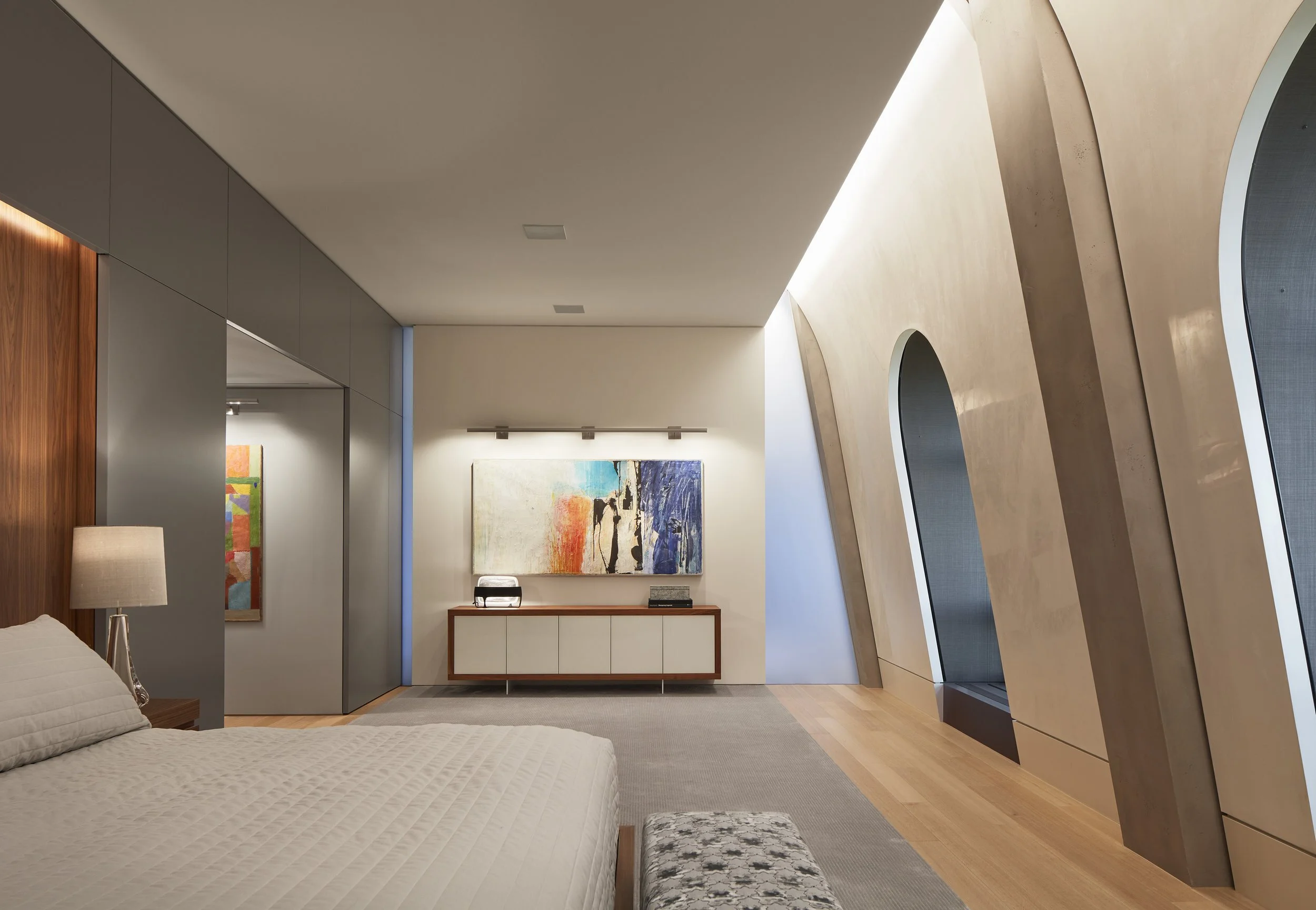
Lakeview Penthouse. Completed in 2018 in collaboration with Wheeler Kearns Architects
“Did you sleep well?” It is a question we ask each other most mornings, and one whose answer shapes the whole day that follows. Now that the clocks have gone back, many of us are waking before sunrise and switching on the lights by mid-afternoon. The darker months are a reminder of how closely our sleep is tied to the world around us.
That makes this the right moment to launch a new campaign partnership. Symbiotic Living is joining forces with Silent Windows by Hugo Carter, Calibre Climate and Martin Moore, four specialists united by a shared belief that the design of our homes has a profound influence on how well we sleep. Over the coming months, each partner will bring its own specialism to the conversation, exploring everything from thermal comfort and acoustics to lighting, natural materials, bespoke furniture and thoughtfully designed storage.
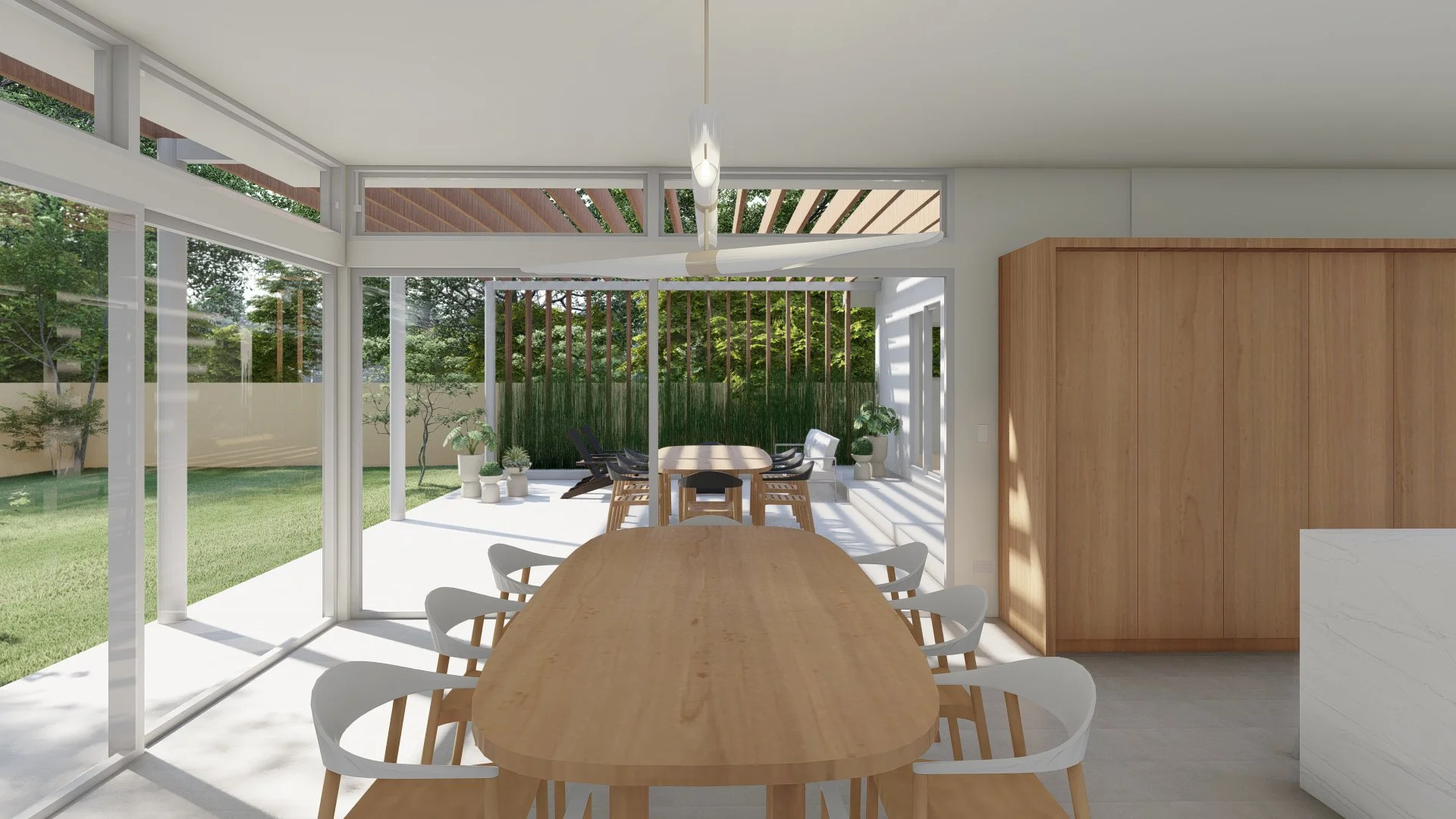
Silicon Valley Live-Work-Play. Morning daylight helps set the body clock for the day ahead.
Why sleep, and why now
At Symbiotic Living, our approach is rooted in biophilic design and grounded in evidence of how our surroundings influence the way we feel, function and recover. Every project starts with understanding how a space needs to work for the people within it, and quality sleep is one of the most important things a home can support. Sleep influences our physical and mental health, memory, mood, immune system and even lifespan. A study of more than 20,000 adults in England found that nearly four in ten report symptoms of insomnia, yet advice on better sleep usually focuses on habits. The environment we spend our days and evenings in deserves as much attention.
Our body clock, known to scientists as the circadian system, evolved around the rising and setting of the sun. It sets the daily rhythms of sleep, hormones, body temperature and metabolism, and light is its strongest signal. With people in industrialised countries spending around 90% of their time indoors, the light inside our homes does much of the work the sun once did. Bright days and dark nights keep those rhythms strong and in step with the day, while sound, temperature, fresh air and the materials around us shape how easily we rest when the clock tells us to.
Light becomes all the more important in the darker months. Morning daylight helps set the body clock for the day ahead, so a breakfast spot by a window becomes even more valuable when winter days are short. In the evening, ordinary room lighting can delay the release of melatonin, the hormone that prepares the body for sleep, so lighting that dims and warms as the hours pass helps the body wind down long before we reach the bedroom.
Noise is one of the most familiar disturbances to sleep. Research for the World Health Organization found that each rise of 10 decibels in night time traffic noise more than doubles the odds of badly disturbed sleep. Outdoor noise comes in many forms, from the low rumble of heavy traffic and trains to the drone of aircraft and the voices of late night passers by. Each sits at a different frequency, and the deepest sounds are the hardest to keep out, passing through standard glazing far more easily than higher pitched noise.
The temperature of a bedroom affects how quickly we fall asleep. Our core body temperature naturally falls as we prepare for sleep, and a room that is too warm works against it. A study tracking more than 47,000 people across 68 countries found that warmer nights shorten sleep, mostly by making it harder to drift off. Fresh, well circulated air keeps the bedroom comfortable through the night rather than stuffy by morning.
The layout and contents of a room also shape how easily we switch off. A bedroom on the quieter side of the house, with a view of greenery or sky from the bed, is linked to better sleep. The order of a room matters too, and researchers at UCLA found that women who described their homes as cluttered had flatter daily cortisol patterns, a sign that the body is not recovering from stress as it should. Natural materials bring their own sense of calm. Timber is calming to the touch, and soft furnishings absorb sound for a gentler room to wind down in.
Every room shapes how ready we are to rest, from the kitchen where the day begins to the living room where we unwind and the hallway we cross at night. Biophilic design brings natural elements into each of these spaces, creating a home that is beautiful and actively supports the people living in it.
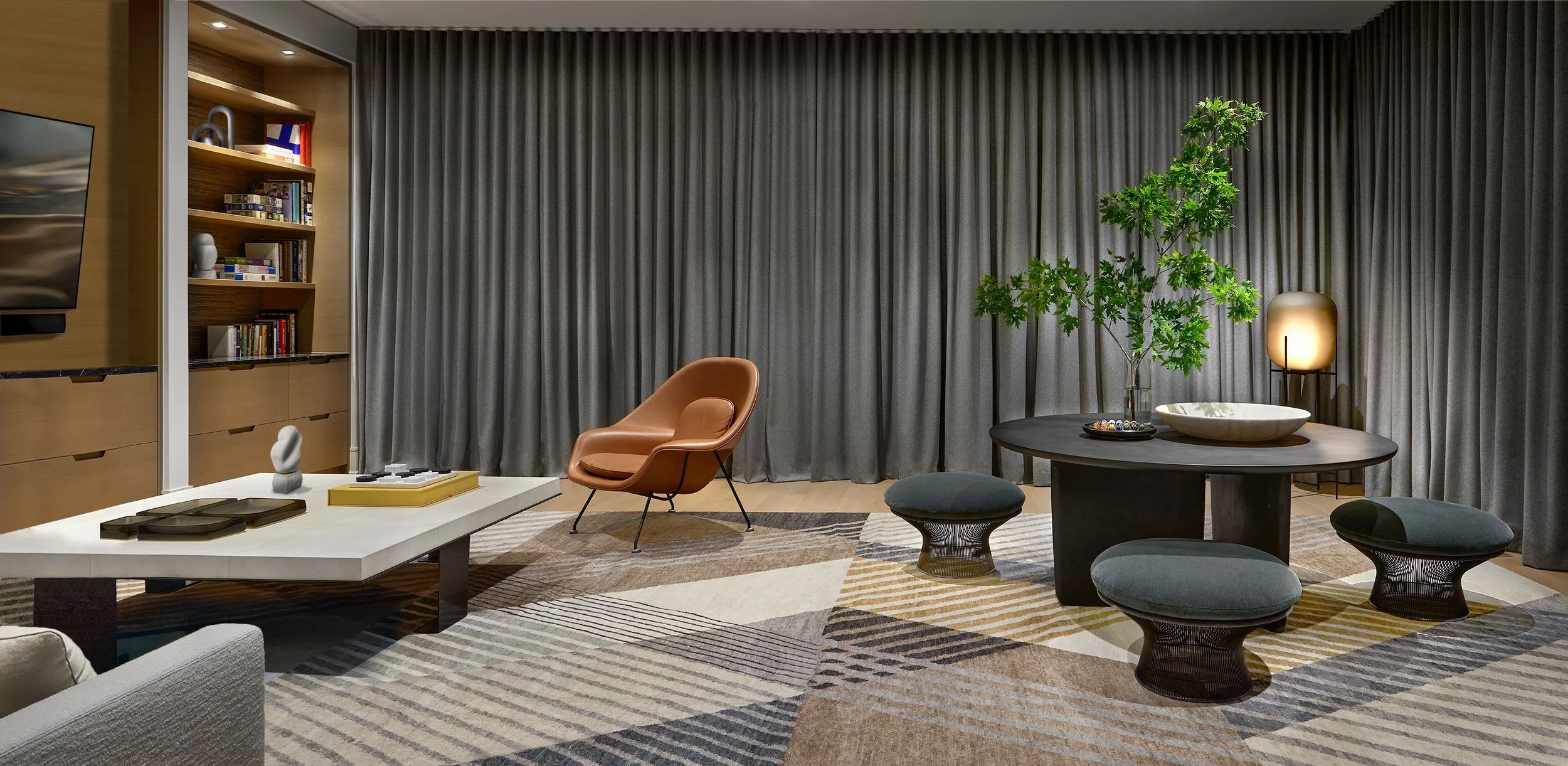
Howe Street Residence. Lighting that dims and warms as the hours pass helps the body wind down.
Why we’re collaborating
A home that supports good sleep depends on many things working together, and no single discipline holds every answer. Each of our partners brings specialist knowledge to one part of the picture.
Silent Windows by Hugo Carter specialises in architectural acoustics, sound insulation and noise reduction, with an approach grounded in what it calls the science of silence. Its team measures the exact frequencies affecting each room and designs windows to match, reducing outside noise by 51 decibels or more. Its designs were developed through research with the Institute of Acoustics and Southampton Solent University, and Hugo Carter will be exploring how noise affects our health, concentration and sleep.

Calibre Climate, a second generation family business with a heritage dating back to 1975, designs and installs integrated air conditioning for some of the UK’s finest homes. Its systems blend seamlessly into the architecture, and its retrofit approach allows them to be introduced into finished homes with care for the interiors already in place. Calibre Climate will be exploring thermal comfort and fresh air, and how both can be designed into the home without compromising its character.
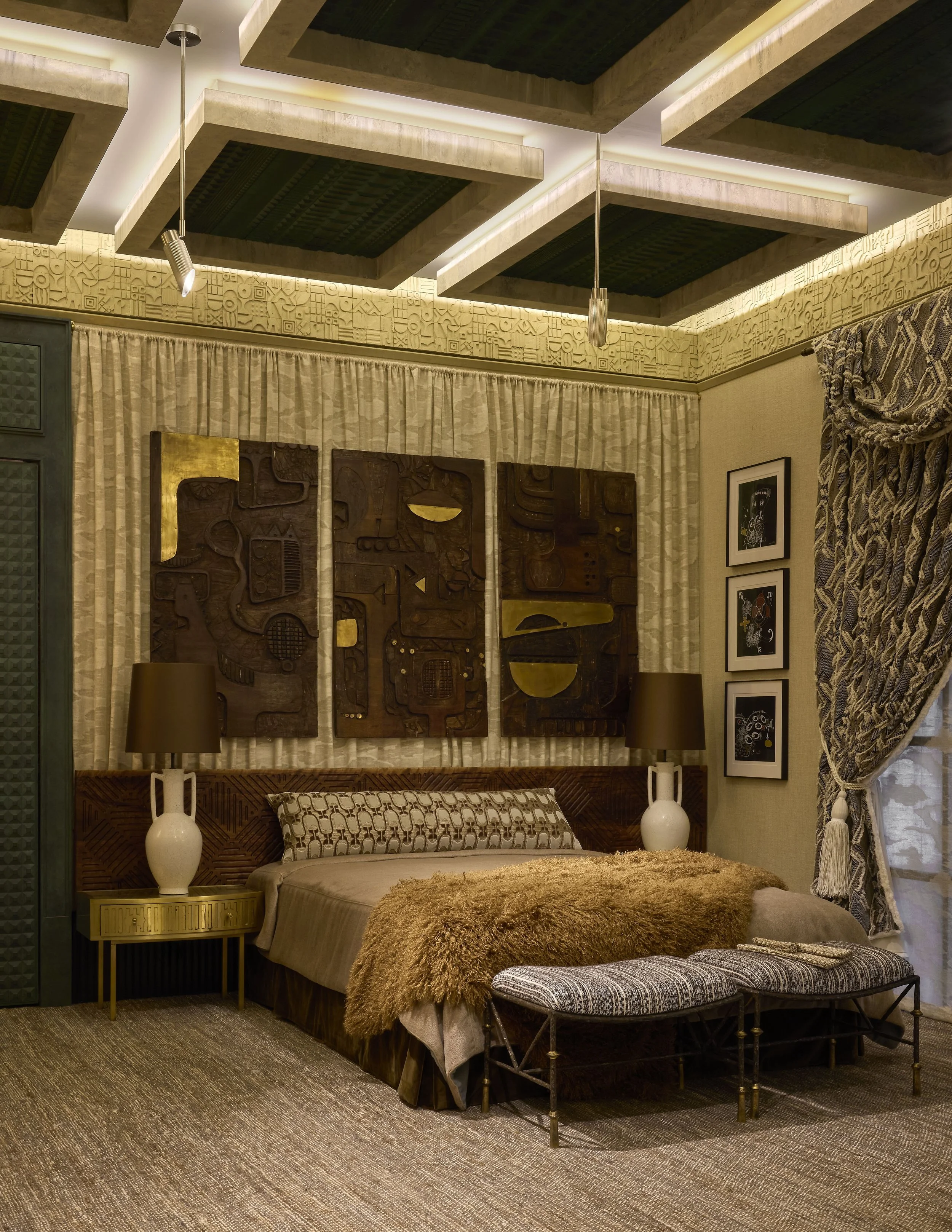
WOW!house 2026 bedroom – invisible openings above the upstand of ceiling coffers supply air at high level. Credits Henri Fitzwilliam-Lay, James McDonald Photography, Misia and Calibre Climate
Martin Moore has spent over 50 years designing and making exceptional bespoke furniture. The company is renowned for its kitchens, and its expertise extends throughout the home, with every commission individually designed to complement the architecture of the property. Martin Moore will be exploring how calm, beautifully organised interiors support rest, from bespoke wardrobes and dressing rooms designed around individual routines to thoughtful storage that gives everything its place. Natural timber, hand painted cabinetry and carefully selected finishes introduce warmth and texture, creating an understated, enduring approach to luxury that feels personal, welcoming and conducive to rest.
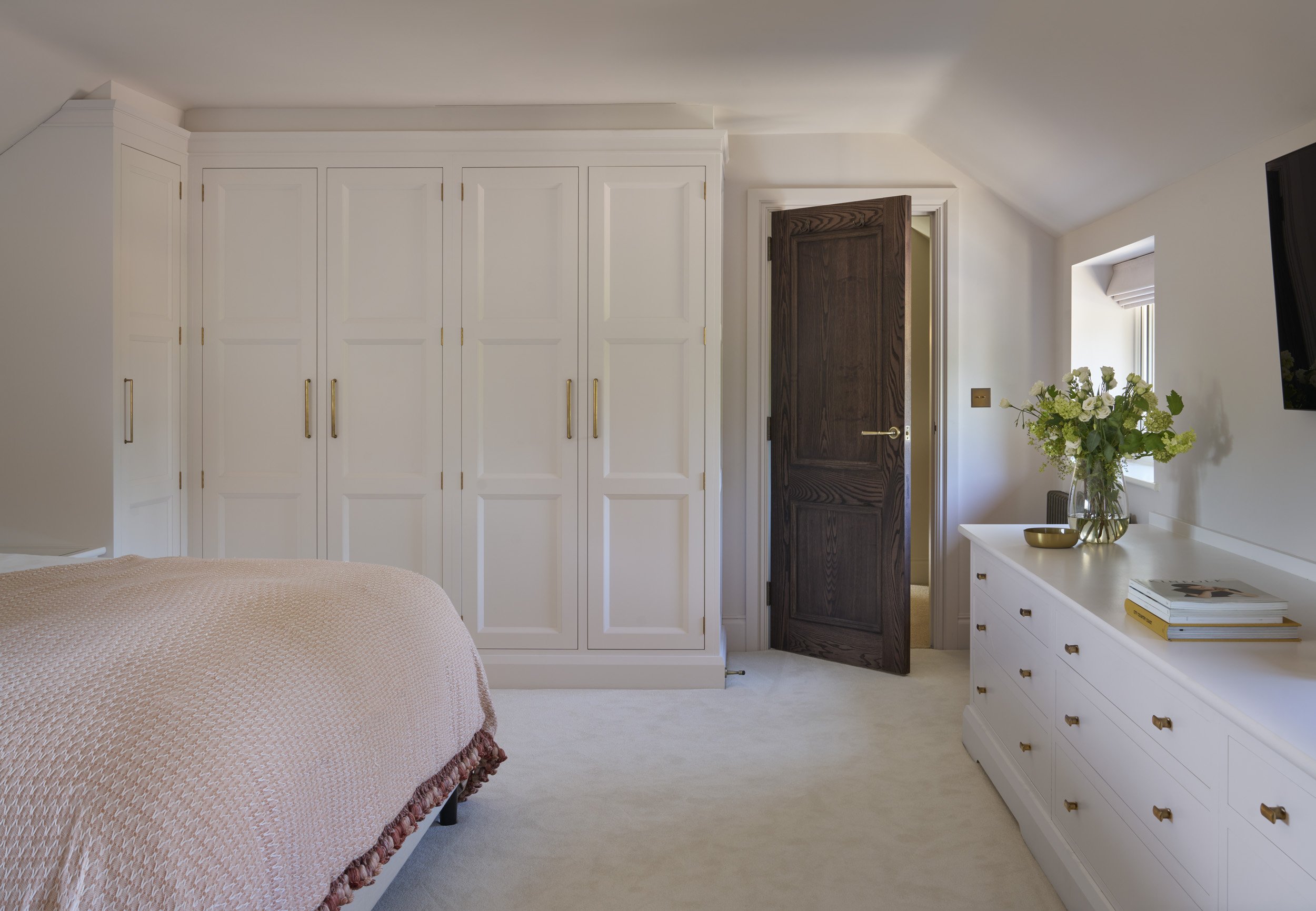
Martin Moore bespoke joinery
Designing for rest
Over the coming months, we will be drawing on this combined expertise to share how homes can be designed to support rest, recovery and wellbeing, from the moment we wake to the moment we fall asleep.
Get in touch to start designing a home that helps you rest.
Research referenced
Calem et al. (2012), insomnia symptoms among more than 20,000 adults in England, Sleep.
Klepeis et al. (2001), time spent indoors, from the US National Human Activity Pattern Survey, Journal of Exposure Analysis and Environmental Epidemiology.
Gooley et al. (2011), room light before bedtime and melatonin, Journal of Clinical Endocrinology & Metabolism.
Smith et al. (2022), night time traffic noise and sleep, an update to the World Health Organization evidence review, Environmental Health Perspectives.
Minor et al. (2022), warmer nights and sleep in more than 47,000 people across 68 countries, One Earth.
Saxbe and Repetti (2010), home clutter, mood and cortisol, Personality and Social Psychology Bulletin.